Freeports: Inside the World's Most Secretive Financial Infrastructure

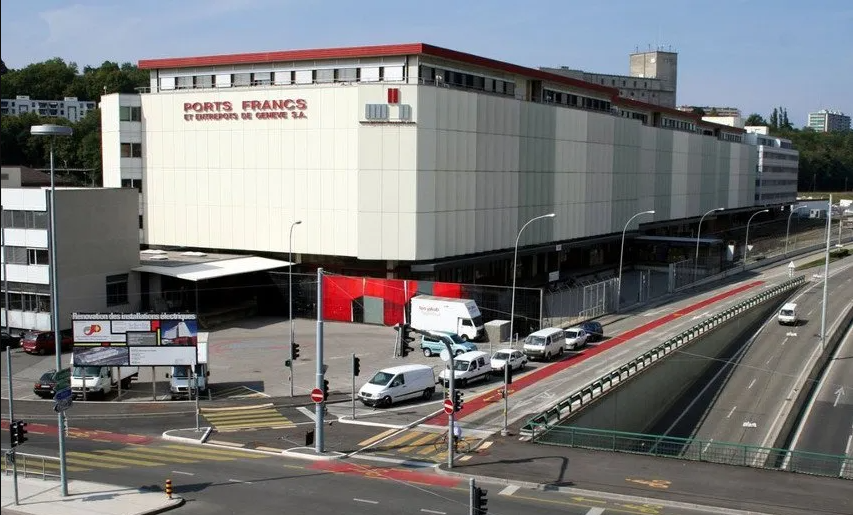
There’s a warehouse in Geneva that houses more art that the Louvre and stores assets worth an estimated $100 billion with no public record or inventory of what is inside. This isn’t a classified facility, nor is it a well-kept secret. It sits between a rail yard and a McDonald’s and has been in operation since 1888. Inside this warehouse you can find Picasso, Modigliani, Roman sarcophagi, art looted by the Nazi’s, and antiquities from conflict zones. It is a called a freeport and Geneva’s is just one of a hundred of these financial black holes.
What Is a Freeport?
A freeport is a special zone usually near a maritime port or an airport where goods are classified legally as ‘in transit’ without having technically entered any specific country. It is a grey zone where there are no import taxes or custom duty fees. Goods within these zones can be bought, sold, stored, and used as collateral pretty much forever without requiring any sort of financial disclosures that would apply to other locations. Because free ports aren’t classified as financial institutions, they live outside the boundaries of most AML standards, requiring them to report transactions, making them a ‘black hole’ for transparency.
Although the history of freeports is a bit fragmented, they can be traced back to early modern Europe, where places like Livorno, Italy, became key in drawing in people and commerce by allowing trade regardless of citizenship or status and removing any import/export duties. The concept spread globally, and by the nineteenth century, the model we use in the West was born from the Hamburg Freihafen, which functions as a heavily administered warehouse/manufacturing zone that sits beyond the reach of customs, creating a “free zone” within a controlled space.
Why This Matters for OSINT
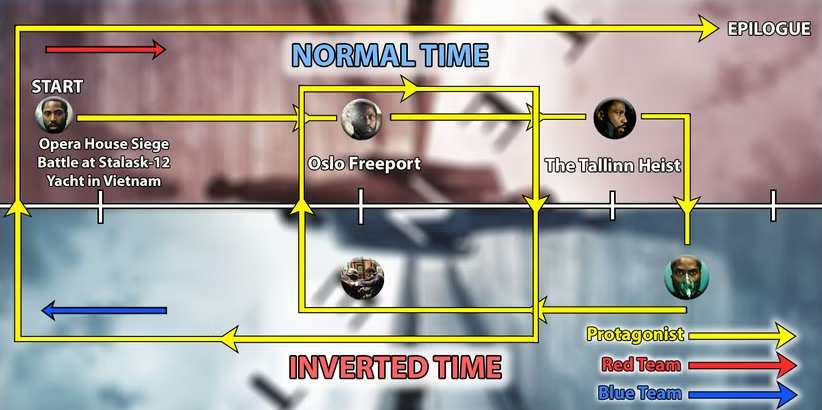
Freeports get most of their hype for art-related crime, as seen in the movie Tenet (2020) where the protagonist breaks into the Oslo Freeport steal a Goya painting while navigating time inverted versions of themselves or the real-world case of the Modigliani painting, Seated Man with a Cane (1918), that was stolen by the Nazi’s and hidden in the Geneva Freeport until the Panama Papers revealed the ownership of the canvas in 2016.
However, freeports are not just for art theft. Their relevance crossed many categories of illicit activity and financial fraud, from sanctions evasions to funding conflicts that are useful in performing OSINT investigations. Specifically, freeports are useful in money laundering, insurance fraud, and tracking illicit financing.
Trade Based Money Laundering: The price or the quantity of the goods are misrepresented during shipping to disguise and legitimize their illegal origins. This allows baddies to move illicit money across borders, hidden within the massive volume of global trade that happens each day.
Sanctions Evasion: Shipments get routed through a freeport, where it gets reclassified and redocumented, allowing them to continue their journey with a new history. Ownership is concealed through shell companies, intermediaries, and freeport agents. Sometimes, documents are forged for bills of lading and certificates of origin, allowing sanctioned goods to travel undetected. Russian oligarchs reportedly use these systems to hide assets.
Hiding High Value Assets: We talked about art, but things like gold, gems, wine, and other luxury goods move through freeports to mask or change ownership, use as loan collateral, or just to hide their location. Often, these items get repackaged or mixed in with other goods to mask their origins.
Conflict Financing: Antiques stolen from Syria, Yemen, and Libya were being stored in freeports in Geneva, which were investigated as financing ISIS through freeport middlemen. Goods can be stored within freeports indefinitely which allows for trades and sales without triggering any regulatory scrutiny.
How to Investigate Freeports with OSINT
Freeports by nature are ‘off the grid’ zones, which makes them harder to investigate, but all hope is not lost! We can use many of the core investigative tools to dig into freeports to learn more about what is housed there, who owns the freeport, and the activity that happens there.
Corporate registries: Shell companies are the go-to for masking ownership of goods within freeports. Dig into entity names, directors, and registered addresses across free tools like OpenCorporates, Corporation Wiki, national company registries, and offshore databases to uncover who is benefitting.
Leaked datasets: The Panama Papers and Pandora Papers contain specific freeport associated entity data that has been leaked. The ICIJ Offshore Leaks database and OCCRP are both searchable and free ways to dive into this data and make connections between entities and owners.
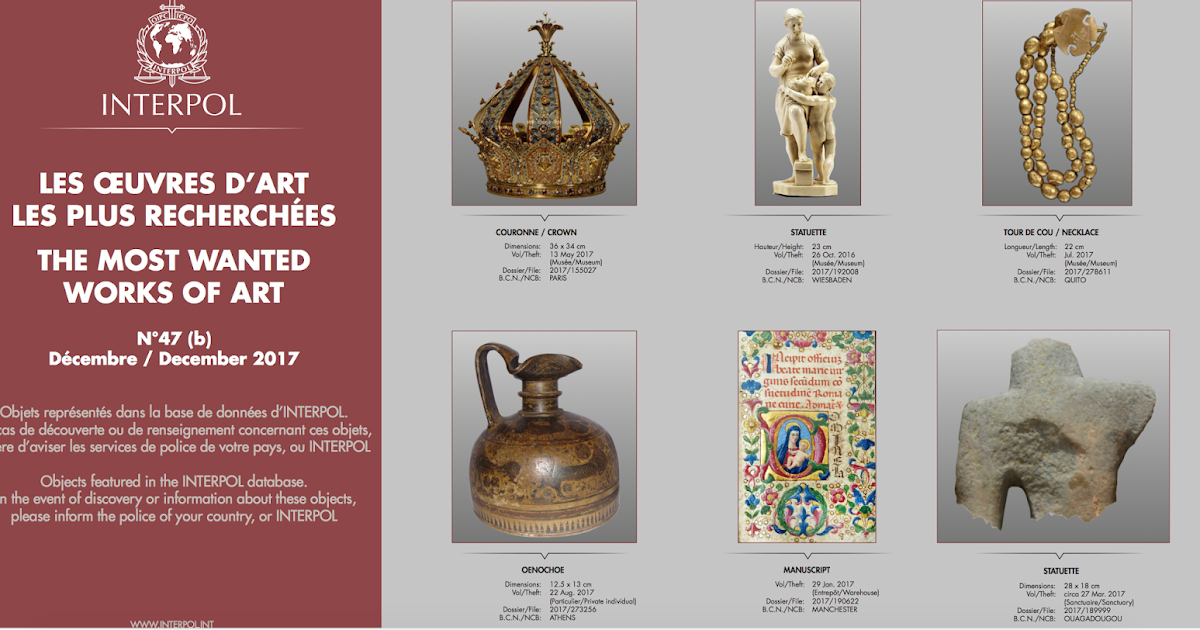
Cultural property databases:Interpol’s Works of Art database allows you to apply for access to see stolen works of art to match them to goods you find while investigating. Additionally, provenance registries can provide insight into objects that have suspicious histories like the Nazi Era Provenance Internet Portal Archive and museum searches for ‘provenance research’ or UNESCO provenance registries.
Shipping documentation anomalies: Looking for valuations that don’t match, reclassified goods, at freeport entry points, vessel port calls at freeport facilities where the cargos don’t match what is declared are all investigation avenues. The key is to look for anomalies that don’t add up to normal shipping practices. This can be especially useful if you know the Bill of Lading number or the container number to track and correlate the flow of goods into and out of a freeport. Some great resources for this are Marine traffic, Import Yeti, and Panjiva.
Financial crime reporting: The EU began to require import documentation for artefacts in 2025, which may shift patterns of activity. However, we can still look for enforcement through court filings and seizure records using sources such as OFAC’s database, opensanctions, sanctionsmap.eu, OCCRP, and other FINCEN advisories.
There is a real gap that exists in the investigation of freeports, but tackle this problem set like many problems in OSINT, look for the anomalies. Understand the patterns you are looking for, what tools and methodologies exist for finding them, and use that to inform further investigation.